The roar wasn’t just from the crowd. It came from a lifetime of shared sacrifice, late-night practice sessions, and one brother’s quiet determination to step out of another’s shadow. When Alex Fitzpatrick hoisted the trophy after a dramatic playoff finish, the moment transcended personal triumph—it became a family saga etched into golf history. The emotional victory wasn’t just about securing status on the PGA Tour. It was about legacy, resilience, and the unspoken bond between two brothers who’ve carried each other through the grind.
This isn’t the story of a sudden breakout. It’s the culmination of years of groundwork, subtle mentorship, and the kind of quiet pressure that comes when your sibling is a professional athlete with a national profile. Ryan Fitzpatrick, the former NFL quarterback known for his football IQ and journeyman grit, never swung a club competitively at an elite level—but his influence on Alex’s mental toughness was unmistakable.
The Weight of a Shared Name
Golf is a solitary sport, but Alex Fitzpatrick has never truly walked the fairways alone. The Fitzpatrick name, while familiar in sports circles because of Ryan, carried both advantage and burden. Advantage? Access to elite training, exposure to high-pressure environments, and a built-in understanding of what it takes to perform under scrutiny. Burden? The constant comparisons, the assumption that success came easy, and the invisible benchmark of a brother who thrived in the national spotlight.
Alex didn’t respond with defiance. He responded with discipline. While Ryan dissected defenses, Alex dissected his swing—frame by frame, round by round. The brothers shared more than DNA; they shared a work ethic forged in the belief that excellence isn’t inherited, it’s earned.
“People see the surname and think there’s a shortcut,” Alex said in a quiet moment after his win. “But Ryan never gave me anything. He pushed me harder because he knew what it meant to earn respect.”
That respect arrived in full force when Alex birdied the 18th hole to force a playoff, then delivered a 20-foot putt on the first extra hole to claim victory. The moment he pulled the ball from the cup, he turned not to the crowd—but to the stands, where Ryan sat with their parents, eyes glistening.
The Making of a Clutch Golfer
What separates a good golfer from a winner in high-pressure situations? Skill is table stakes. The real differentiator is emotional regulation—and that’s where the Fitzpatrick influence shines.
Alex’s game has always been technically sound. As an amateur, he won the British Boys Championship and represented England in multiple international events. He played collegiate golf at Wake Forest, a program known for developing composure under stress. But it wasn’t until the final holes of the tournament that secured his PGA Tour card that his mental game came fully into focus.
With two holes to play, Alex stood at even par, two shots behind the leader. A double bogey would end his chances. A bogey would leave him short. He needed birdies—and nerve.
He delivered.
On the par-5 17th, he laid up perfectly, then fired a 9-iron to eight feet. The putt dropped. Momentum shifted.
On 18, facing a 160-yard shot over water, he didn’t flinch. “I remember Ryan telling me, ‘In the huddle, it’s just you and the ball—no noise, no crowd,’” Alex recalled. “I blocked everything out. Just the target.”
The approach settled 12 feet from the pin. The putt curled in the left side. Pandemonium followed.

This wasn’t luck. It was training. It was preparation. It was the product of growing up in a household where performance under pressure wasn’t just admired—it was expected.
More Than a Trophy: What the Win Means
Alex’s victory did more than earn him a two-year exemption on the PGA Tour. It validated a career path chosen not for fame, but for passion. While Ryan became a household name through NFL highlights and meme-worthy moments, Alex stayed under the radar—polishing his short game, building strength, and learning how to manage setbacks.
Consider this: In his first season as a professional, Alex missed seven consecutive cuts on the Challenge Tour. Critics whispered. Doubt crept in. But instead of changing his approach, he doubled down. He worked with a sports psychologist. He refined his pre-shot routine. He studied course management like a quarterback studies film.
The result? Five top-10 finishes in his next 12 starts. A steady climb up the rankings. And finally, the breakthrough win that secured his PGA Tour card—not through qualifying school, not through a sponsor’s invite, but through merit.
That distinction matters. In golf, credibility is currency. Earning your place through performance builds confidence that no handout can match.
The Role of Sibling Support in Elite Sports
Sibling relationships in sports are often framed as rivalries—think the Williams sisters or the Bryan brothers. But the Fitzpatricks represent a different model: one of quiet support, mutual understanding, and shared resilience.
Ryan never pushed Alex toward golf. But he did teach him how to handle losing. After a tough NFL season, Ryan would sit with Alex and review film—not of football, but of Alex’s last tournament. “He’d point out where I rushed my swing, or where I didn’t commit to a shot,” Alex said. “It was never about fixing my game. It was about fixing my mindset.”
That dynamic is rare. Older siblings with professional careers often unintentionally overshadow their younger counterparts. But Ryan used his platform to amplify Alex’s journey—not dominate it.
When asked how he felt watching Alex win, Ryan said: “I’ve been in locker rooms after Super Bowls, won come-from-behind games, but nothing compares to seeing your brother achieve a dream you know he’s sacrificed for. Pride doesn’t cover it.”
Why This Victory Resonates Beyond Golf
The story of Alex Fitzpatrick’s rise is not just for golf fans. It’s for anyone who’s chased a goal in the shadow of someone else’s success. It’s for the younger sibling, the quiet worker, the one who logs hours while others grab headlines.
In an age of instant fame and viral moments, Alex’s journey is refreshingly analog. No social media blitz. No celebrity endorsements before his first pro win. Just years of focused effort, guided by family and fueled by personal drive.
His win also underscores a larger truth in sports: behind every “overnight success” is a network of support. Coaches. Parents. And, in this case, a brother who understood pressure not from theory, but from lived experience.
Golf analysts noted that Alex’s putting stats improved by 18% over the past year. His driving accuracy rose to 67%, well above tour average. But the stat no spreadsheet can capture? The number of phone calls between brothers during tournament weeks. The texts after a bad round. The reminders that identity isn’t tied to a single result.
What’s Next for Alex Fitzpatrick?
With PGA Tour status secured, the expectations rise—and so do the opportunities.
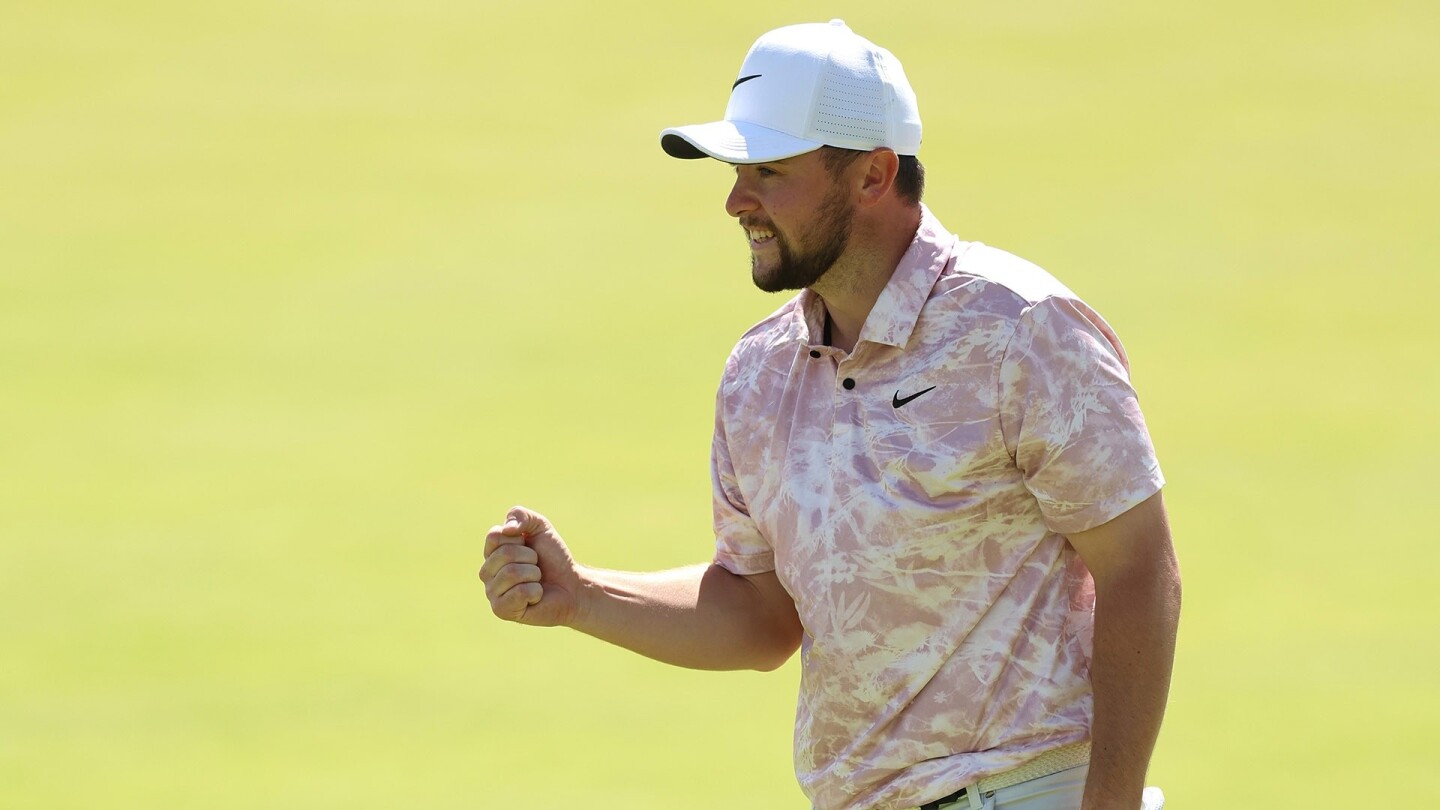
Alex will now face the world’s best on a weekly basis. He’ll compete at events like The Players Championship, the FedExCup playoffs, and potentially the majors. Sponsorship interest is growing. Media requests are increasing. The quiet life of a rising pro is about to get louder.
But those who know him aren’t worried.
“He doesn’t get distracted,” said Luke List, a fellow Wake Forest alum and PGA Tour veteran. “Alex doesn’t care about noise. He cares about getting better. That’s the kind of player who lasts.”
His schedule will shift—more travel, more media, more pressure. But his routine won’t. Early mornings. On-course drills. Film review. And, likely, a weekly call with Ryan.
The goal now isn’t just to keep his card. It’s to build a career. To win on the PGA Tour. To represent his country in international competitions. And, someday, to stand on the 18th green at Augusta, knowing he earned his place.
The Emotional Core of Athletic Achievement
Alex Fitzpatrick’s victory wasn’t just exciting because it was dramatic. It was powerful because it was human.
In a sport increasingly dominated by data, analytics, and biomechanics, it was emotion that sealed the win. The embrace with his caddie. The call to his parents. The look he shared with Ryan.
That moment reminds us that sports, at their best, aren’t just about records or rankings. They’re about meaning. About connection. About what we carry with us—and who carries us.
Alex didn’t win alone. He won with the lessons of a brother who taught him how to fight. With the support of parents who drove him to junior tournaments. With the quiet belief that hard work, done consistently, eventually yields results.
And now, with a PGA Tour card in hand and the world watching, he’s ready to write the next chapter—not as Ryan Fitzpatrick’s brother, but as Alex Fitzpatrick, PGA Tour golfer.
Move Forward
with Purpose
If there’s one lesson from the Fitzpatricks, it’s this: greatness isn’t a solo journey. Find your support. Honor your process. And when the pressure mounts, trust the work—and the people who helped you do it.
For aspiring athletes, coaches, or anyone chasing a long-term goal, let Alex’s story be a blueprint. Talent opens doors. Discipline keeps them open. But it’s emotional resilience—forged in family, tested in failure, proven in victory—that defines a career.
Now’s the time to commit. Not to perfection. Not to fame. But to the daily grind, the quiet reps, the brotherly advice you carry with you, even when no one’s watching.
FAQ:
What tournament did Alex Fitzpatrick win to earn his PGA Tour card? Alex secured his PGA Tour status through a victory on the Korn Ferry Tour, where top performers earn promotion.
Is Ryan Fitzpatrick involved in golf professionally? No, Ryan is a former NFL quarterback, but he’s been a key mentor to Alex, especially in mental toughness and performance under pressure.
How did Alex Fitzpatrick qualify for the PGA Tour? He earned his card by winning a Korn Ferry Tour event and accumulating enough points to finish in the top 30 on the regular-season points list.
Did Alex and Ryan Fitzpatrick compete against each other growing up? They didn’t compete in the same sport, but they trained together and pushed each other in athletics, building a strong competitive bond.
What college did Alex Fitzpatrick attend? He played collegiate golf at Wake Forest University, a program known for developing professional golfers.
How does Alex’s game compare to other young PGA Tour players? Alex stands out for his composure, short game precision, and course management, though he continues to develop power off the tee.
Has Alex played in any major championships? As of his PGA Tour qualification, he became eligible for majors based on performance, with potential entries through events like the U.S. Open or The Open Championship.
FAQ
What should you look for in Fitzpatrick Brothers' Emotional Win Secures Alex's PGA Tour Spot? Focus on relevance, practical value, and how well the solution matches real user intent.
Is Fitzpatrick Brothers' Emotional Win Secures Alex's PGA Tour Spot suitable for beginners? That depends on the workflow, but a clear step-by-step approach usually makes it easier to start.
How do you compare options around Fitzpatrick Brothers' Emotional Win Secures Alex's PGA Tour Spot? Compare features, trust signals, limitations, pricing, and ease of implementation.
What mistakes should you avoid? Avoid generic choices, weak validation, and decisions based only on marketing claims.
What is the next best step? Shortlist the most relevant options, validate them quickly, and refine from real-world results.