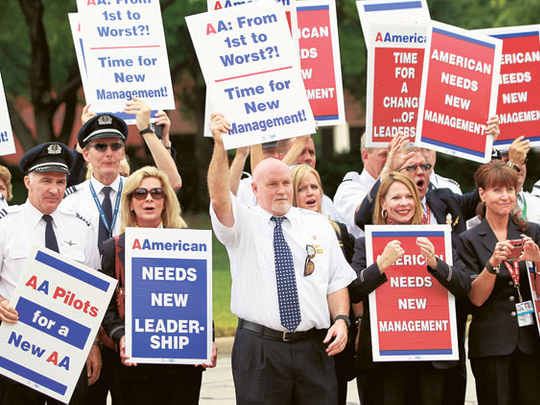
United Airlines CEO Scott Kirby has launched a scathing public rebuke of American Airlines, accusing the carrier of rejecting merger talks that could have reshaped the competitive landscape of U.S. aviation. In a series of pointed remarks during investor calls and media appearances, Kirby criticized American’s leadership for what he described as a “shortsighted refusal” to explore consolidation, calling it a “missed opportunity” for long-term industry stability.
The tension underscores a growing rift between two of the nation’s largest carriers at a time when airlines face rising operational costs, persistent labor shortages, and increasing pressure from low-cost competitors. While neither airline has confirmed formal merger negotiations, Kirby’s comments signal that United is actively considering strategic options—and feels stonewalled.
Why a United-American Merger Makes Strategic Sense
On paper, a merger between United and American would create the largest airline in the world by fleet size and available seat miles. With overlapping hubs in major markets like Dallas, Chicago, Washington D.C., and Los Angeles, consolidation could streamline operations, reduce redundancies, and boost route efficiency.
Consider this: - Network Synergy: United dominates transatlantic and transpacific routes, while American has stronger Latin American and domestic connectivity. A combined network would offer unmatched global reach. - Cost Savings: Analysts estimate potential annual savings of $2–$3 billion through fleet standardization, negotiated bulk purchasing, and reduced administrative overhead. - Loyalty Program Leverage: Merging MileagePlus and AAdvantage could create the most valuable frequent flyer ecosystem in the industry, attracting corporate contracts and high-yield travelers.
But beyond numbers, the strategic imperative lies in defense. As ultra-low-cost carriers like Frontier and Spirit expand through their own merger, and Gulf carriers increase U.S. presence, legacy airlines face margin erosion. A United-American union could counterbalance these threats.
American Airlines’ Resistance: Fear, Ego, or Strategy?
Despite these advantages, American Airlines has reportedly rebuffed overtures from United. The reasons remain unconfirmed, but industry insiders point to several likely factors:
- Leadership Pride: American’s CEO Robert Isom has worked hard to stabilize the airline post-pandemic. Accepting a merger—especially one where United might take operational control—could be seen as undermining his turnaround narrative.
- Cultural Misalignment: United is known for data-driven decision-making and operational precision. American has a more traditional, hub-centric culture. Merging corporate DNA would be complex.
- Regulatory Concerns: A tie-up would face intense DOJ scrutiny. With only four major U.S. carriers left, antitrust regulators might block any further consolidation, making talks seem futile.

Kirby, however, dismissed these as excuses. “Every major industry goes through consolidation,” he said in a recent Bloomberg interview. “We’re not asking for a free pass. We’re asking to have a conversation about what’s best for customers, employees, and the future of U.S. aviation.”
The Real Stakes: What Consumers and Employees Stand to Lose
Critics of the idea argue that fewer airlines mean less competition and higher fares. But the reality is more nuanced.
Potential Consumer Impacts
While consolidation often raises antitrust flags, modern airline competition isn’t just about domestic routes—it’s about global connectivity. A stronger United-American entity could: - Sustain more nonstop international flights without relying on partnerships - Offer more consistent flight schedules due to better resource allocation - Invest in newer aircraft and improved in-flight experiences using cost savings
Yes, some overlapping routes might be cut, but that’s already happening under current conditions. The bigger risk is stagnation: without scale, U.S. carriers may lose ground to Emirates, Qatar, and Turkish Airlines, which benefit from state backing and seamless global networks.
Workforce Implications Labor unions remain cautious. The Association of Flight Attendants (AFA) issued a statement urging “transparency and job protection” in any future talks. Past mergers—like Delta-Northwest and American-US Airways—show that integration can take years and lead to temporary pay disparities and seniority disputes.
But there’s an upside: greater financial stability means fewer furloughs during downturns. A stronger airline is better positioned to offer competitive wages, especially as pilot shortages persist. United has maintained strong labor relations recently, which could serve as a model in any future merger.
Precedents: What Past Airline Mergers Teach Us
The U.S. airline industry has consolidated dramatically over the past two decades. What happened in previous mergers offers clues about what could unfold.
| Merger | Year Finalized | Key Outcome |
|---|---|---|
| Delta-Northwest | 2008 | Created largest airline at the time; achieved $1B in synergies by 2013 |
| United-Continental | 2010 | Integration challenges lasted 5+ years; tech systems took longest to unify |
| American-US Airways | 2013 | DOJ sued to block it; settlement required slot divestitures at key airports |
| Alaska-Virgin America | 2016 | Smooth integration due to cultural fit and smaller scale |
United’s own merger with Continental was fraught with delays, branding confusion, and employee friction. But eventually, it delivered value. Kirby, who played a key role in that integration, now leads a more agile United. His push for another bold move suggests confidence in avoiding past pitfalls.

One lesson stands out: early transparency wins trust. Carriers that communicated clearly with employees, customers, and regulators fared better. American’s silence now may be fueling speculation—and damaging goodwill.
Why United Isn’t Done Pushing
Kirby’s public criticism isn’t just venting—it’s strategy. By framing American as the obstructionist party, United positions itself as forward-thinking and customer-focused. That’s valuable in investor relations and public perception.
Moreover, United may be laying groundwork for alternative moves: - Targeted partnerships: Strengthening alliances with foreign carriers (e.g., Lufthansa, Air Canada) to mimic merger benefits without regulatory risk - Regional acquisition: Buying a smaller regional player to boost feeder traffic - Hostile advance: If American’s stock weakens, United could make a public offer, forcing the board to respond
The airline industry runs on leverage—hub dominance, frequent flyer value, and balance sheet strength. United is building all three. American, meanwhile, has underperformed financially. In Q1 of the current fiscal year, United posted a 12% year-over-year revenue increase; American’s rose just 4%.
The Bottom Line: Consolidation Is Inevitable—But On Whose Terms?
The era of four major U.S. airlines is likely unsustainable. Fuel volatility, infrastructure strain, and foreign competition demand scale. Whether through merger, alliance, or acquisition, the next phase of aviation will be defined by consolidation.
United wants to lead that change. American appears content to resist—publicly. But behind closed doors, boards and investors may be asking hard questions. Shareholders care less about pride and more about returns.
If American continues to reject dialogue, it risks being bypassed—not just by United, but by a faster-moving industry. Other combinations are possible: Delta could make a move, or a foreign carrier might target a U.S. partner under antitrust loopholes.
For now, Kirby’s message is clear: the future belongs to those willing to adapt. United is ready. American must decide whether it’s willing to come to the table—or be left behind.
What Now?
For travelers, employees, and investors, the path forward hinges on leadership courage. United has signaled ambition. American must respond—not with silence, but with strategy. The health of U.S. aviation may depend on it.
Monitor earnings calls, regulatory filings, and labor negotiations closely. These are early indicators of movement. And for policymakers, the time to rethink antitrust frameworks for global industries is now—before American and United are forced to compete with one hand tied behind their backs.
The merger window may not stay open forever. But as long as imbalance persists, the pressure will grow. And Scott Kirby isn’t backing down.
Frequently Asked Questions
Why did United want to merge with American Airlines? United sees merger talks as a way to achieve scale, reduce costs, and better compete globally against low-cost and international carriers.
Has American Airlines officially rejected a merger? American has not made a public statement, but sources confirm they have declined to engage in formal discussions.
Would a United-American merger raise airfares? It could reduce domestic competition on overlapping routes, but may improve pricing stability through operational efficiency and expanded international options.
Could the U.S. government block such a merger? Yes. The Department of Justice has historically opposed mergers that reduce competition. Any deal would likely require concessions like slot divestitures.
What happened to United’s last merger? United’s 2010 merger with Continental faced years of integration challenges but ultimately created a stronger global network and improved profitability.
How would a merger affect frequent flyer programs? MileagePlus and AAdvantage would likely combine, creating one of the most powerful loyalty programs in aviation—with greater redemption options.
Are other airline mergers possible in the U.S.? Yes. Alaska, JetBlue, and even Delta could pursue strategic combinations, especially as regional carriers consolidate.
FAQ
What should you look for in United Chief Slams American Airlines Over Merger Rejection? Focus on relevance, practical value, and how well the solution matches real user intent.
Is United Chief Slams American Airlines Over Merger Rejection suitable for beginners? That depends on the workflow, but a clear step-by-step approach usually makes it easier to start.
How do you compare options around United Chief Slams American Airlines Over Merger Rejection? Compare features, trust signals, limitations, pricing, and ease of implementation.
What mistakes should you avoid? Avoid generic choices, weak validation, and decisions based only on marketing claims.
What is the next best step? Shortlist the most relevant options, validate them quickly, and refine from real-world results.