Most safety meetings fail before they begin—boring slides, recycled content, and disengaged workers. Yet, a well-structured toolbox talk can reduce incidents, reinforce protocols, and strengthen team accountability. The right toolbox talk topics PDF doesn’t just inform—it leads. It’s concise, actionable, and designed for real job sites.
This guide cuts through the noise. You’ll find high-impact topics, practical examples, and reliable PDF sources that safety managers and supervisors actually use—not just theoretical checklists, but tools that drive behavior change.
Why Toolbox Talk Topics PDFs Matter
Toolbox talks are short safety meetings—typically 10 to 15 minutes—held at the start of a shift or before high-risk tasks. Their purpose: reinforce safety awareness, address immediate hazards, and open dialogue. When supported with a PDF, these talks become consistent, trackable, and repeatable.
A good PDF format ensures: - Standardization across crews and shifts - Documentation for audits and compliance - Clarity with visuals, checklists, and definitions - Reusability without reinventing content
Without a structured resource, talks devolve into vague reminders: “Be safe out there.” With a quality PDF, you shift from platitudes to precision: “Today, we’re covering fall protection on scaffolds over 6 feet—here’s what to inspect and what to report.”
Core Toolbox Talk Topics to Cover Every Month
Effective programs rotate through core topics monthly. Below are 10 high-impact subjects that consistently reduce incidents and align with OSHA and ANSI standards.
1. Personal Protective Equipment (PPE)
Key Focus: Fit, function, and enforcement Common Mistakes: Wearing damaged gloves, using wrong eye protection, skipping hearing protection in “brief” noisy tasks
A PPE-focused PDF should include: - Checklist: Head-to-toe inspection guide - Visuals: Correct vs. incorrect PPE use - Policy reminder: Consequences of non-compliance
Example: A roofing crew PDF highlights heat stress risks and mandates wide-brimmed hats, UV-rated sunglasses, and hydration breaks—linked directly to site conditions.
2. Fall Protection
Key Focus: Guardrails, harnesses, anchor points High-Risk Scenarios: Working at heights, leading edges, temporary structures
PDFs should clarify: - OSHA’s 6-foot rule - Difference between restraint and fall arrest systems - Inspection criteria for harnesses and lanyards
Tip: Include a “5-point harness check” graphic—straps, buckles, stitching, D-rings, expiration date.
3. Electrical Safety
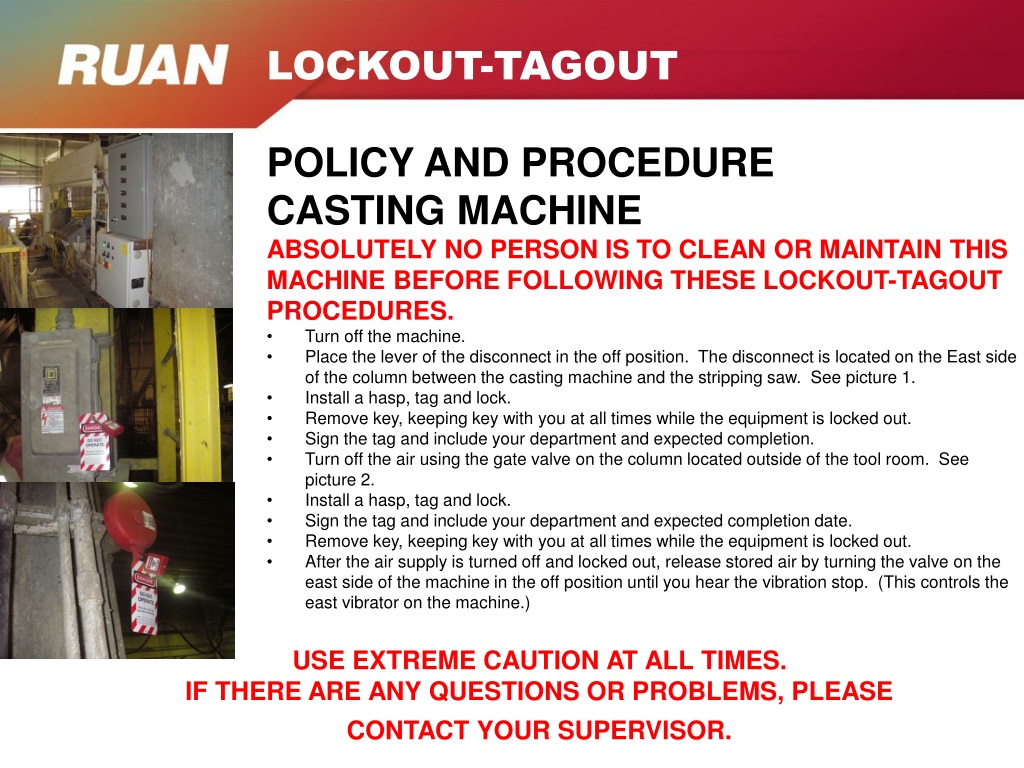
Key Focus: Lockout/Tagout (LOTO), arc flash, overhead lines At-Risk Roles: Electricians, maintenance, equipment operators
- LOTO sequence with icons (isolate, lock, verify, tag)
- Clearance distances for power lines (10 feet minimum)
- Real case: Arc flash incident summary with lessons
One PDF used at a refinery starts with: “Last year, 27 arc flash injuries occurred during panel maintenance. All skipped verification steps.”
4. Hand and Power Tool Safety
Key Focus: Inspection, guarding, cord management Common Oversight: Using a damaged saw blade “just once”
A strong PDF includes: - Pre-use inspection checklist - Pictograms: Don’t remove guards, don’t carry by cord - Case study: Hand injury from unguarded sander
5. Hazard Communication (HazCom)
Key Focus: SDS access, labeling, exposure routes Critical for: Chemical handling, mixing, spills
![[PDF]The Best 33 Safety Topics for Daily Toolbox Talk in PDF format](https://1.bp.blogspot.com/-RuFUi5rqwag/XOUlrK5kFRI/AAAAAAAAIoQ/K_Pm-bDiNoA1lLEKaQcfRIXN396_ZWcMgCLcBGAs/s1600/Tool%2BBox%2BTalk%2BTopics_Page_2.png)
PDF must cover: - GHS pictograms and meanings - How to read an SDS (Section 3 for hazards, Section 8 for PPE) - Site-specific chemical inventory list
Use case: A warehouse PDF lists all cleaning solvents on-site and requires supervisors to confirm SDS folder access during the talk.
6. Slips, Trips, and Falls (Same-Level)
Key Focus: Housekeeping, lighting, walkway design Often Overlooked: Wet floors, trailing cords, cluttered exits
PDFs should reinforce: - “Clean as you go” policy - Reporting process for poor lighting - Footwear requirements for slippery surfaces
Add a “daily 2-minute sweep” challenge—documented in a sign-in sheet.
7. Lifting and Ergonomics
Key Focus: Manual handling, lifting techniques, mechanical aids High-Risk Groups: Warehousing, construction, maintenance
Essential PDF elements: - Proper lift diagram (bend knees, back straight) - Weight limit reminders (e.g., 50 lbs solo max) - Spotter checklist for team lifts
One PDF includes a “Lift Log” where workers note heavy lifts and request equipment.
8. Confined Space Entry
Key Focus: Permits, ventilation, rescue plans High-Risk Zones: Tanks, vaults, silos
Must-have in PDF: - Entry permit sample - Gas monitor checklist (O2, LEL, H2S, CO) - Rescue rope use illustration
Remember: A PDF isn’t a permit. But it can reinforce that permits are required—and what happens if skipped.
9. Fire Prevention and Response
Key Focus: Hot work, flammables storage, extinguisher use Common Gap: Workers don’t know PASS (Pull, Aim, Squeeze, Sweep)
PDF should include: - Hot work permit reminder - Fire extinguisher types (A, B, C, etc.) - Evacuation map with muster points
Include a “Fire Drill Recap” section to review last drill performance.
10. Emergency Response and First Aid
Key Focus: Reporting procedures, CPR, AED access Critical for: All sites—especially remote ones
- Emergency contact list (on-site, 911, clinic)
- Location of first aid kits and AEDs
- Incident reporting steps
Tip: Pair with a 30-second “Where’s your nearest kit?” quiz during the talk.
Where to Find Reliable Toolbox Talk Topics PDFs
Not all free PDFs are created equal. Many are outdated, generic, or lack legal accuracy. Prioritize sources with: - OSHA alignment - Industry-specific examples - Editable formats (Word or PDF with fields) - Regular updates
Trusted Sources for PDFs
| Source | Key Benefit | Cost |
|---|---|---|
| OSHA.gov | Free, legally vetted, multilingual | Free |
| NIOSH | Research-backed topics (e.g., heat stress) | Free |
| SafetyNow | Editable PDFs with sign-in sheets | Paid, scalable |
| Creative Safety Supply | Visual-heavy, 5S and lean safety focus | Free & paid |
| SafetyCulture (iAuditor) | Digital templates, export to PDF | Free tier available |
Avoid random blog downloads. Stick to known safety portals or government resources. A PDF titled “10 Safety Tips” with no author or date? Delete it.
How to Customize a Toolbox Talk PDF
A one-size-fits-all PDF fails. Customize using this workflow:

- Download a base template (e.g., OSHA’s fall protection talk)
- Add site-specific hazards (e.g., “Our scaffold inspection checklist includes X”)
- Insert real photos from your site—show correct and incorrect setups
- Include local emergency numbers and supervisor contacts
- Add a feedback line: “What’s one safety concern you have this week?”
Example: A contractor modifies a PPE PDF to include photos of their crew wearing site-mandated high-visibility vests with reflective strips—prohibited elsewhere.
Common Mistakes That Undermine Toolbox Talks
Even with a great PDF, execution fails when:
- Talks become monologues: Workers tune out. Instead, ask: “What unsafe act did you see yesterday?”
- No follow-up: A hazard raised in the talk must be addressed within 24 hours—or trust erodes.
- Same topics, same order: Rotate and refresh. Use seasonal themes: heat stress in summer, ice traction in winter.
- Poor timing: Never rush a talk. If the crew is already on task, reschedule.
- No documentation: Always sign and file. PDFs with built-in sign-in sheets work best.
One utility company reduced incidents 34% simply by adding “action closed” tags to reported issues from talks.
Integrating PDF Talks into Your Safety System
A toolbox talk isn’t an event—it’s part of a loop. Use PDFs to feed your safety management system:
- Deliver the talk using the PDF
- Collect signed sheets (digital or paper)
- Log topics and dates in a master tracker
- Review monthly: Are we repeating the same issues?
- Adjust training or site controls based on trends
PDFs with embedded QR codes now let workers scan and access the talk later—useful for new hires or auditors.
Final Tips for Impactful Safety Conversations
- Keep it under 15 minutes. Respect time.
- Speak plainly. Avoid jargon like “ergonomic strain.” Say “back injury from lifting.”
- Use real stories. “Last month, a slip here caused a fracture” hits harder than statistics.
- Rotate facilitators. Let crew leads run talks—builds ownership.
- Measure engagement. Quick poll: “On a scale of 1–5, how clear was today’s topic?”
The best PDF doesn’t replace conversation—it frames it.
Use a toolbox talk topics PDF that’s clear, compliant, and built for action. Start with one high-risk topic, customize it, deliver it consistently, and document it. Safety isn’t a moment—it’s a daily habit. Build yours with purpose.
FAQ
Where can I download free toolbox talk topics in PDF? OSHA.gov offers free, printable talks. NIOSH and state safety programs also provide vetted PDFs.
How long should a toolbox talk last? Ideally 10 to 15 minutes. Focus on one topic and encourage interaction.
Do toolbox talks need to be documented? Yes. Signed attendance sheets in PDF or digital format prove compliance during audits.
Can I edit a toolbox talk PDF? Only if it’s in an editable format. Always verify changes align with safety standards.
How often should toolbox talks be held? Weekly or before high-risk tasks. Monthly at minimum for compliance.
What makes a good toolbox talk topic? It’s specific, relevant to current work, includes hazard identification, and ends with clear action.
Should toolbox talks be signed? Yes. Sign-in sheets confirm attendance and understanding—critical for liability protection.
FAQ
What should you look for in Top Toolbox Talk Topics PDFs for Workplace Safety? Focus on relevance, practical value, and how well the solution matches real user intent.
Is Top Toolbox Talk Topics PDFs for Workplace Safety suitable for beginners? That depends on the workflow, but a clear step-by-step approach usually makes it easier to start.
How do you compare options around Top Toolbox Talk Topics PDFs for Workplace Safety? Compare features, trust signals, limitations, pricing, and ease of implementation.
What mistakes should you avoid? Avoid generic choices, weak validation, and decisions based only on marketing claims.
What is the next best step? Shortlist the most relevant options, validate them quickly, and refine from real-world results.